How to choose a freediving school or trip provider
Choosing a freediving instructor or trip can feel overwhelming, because there is SO much choice out there.
A big following, beautiful underwater photography and promises of a life-changing trip can make a provider look trustworthy. But none of those things actually tell you whether someone is safe, qualified, or a good fit for you.
Recently, women across the ocean and diving world have been speaking out about sexual assault by expedition leaders. There is a huge movement standing up against this, and we stand with it, against all abusers and anyone who supports or covers for them.
One question keeps coming up in our messages: how do I actually choose a freediving school or trip I can trust? So here's what I look for, as an instructor and as a woman who travels to dive.
Choosing a freediving course:
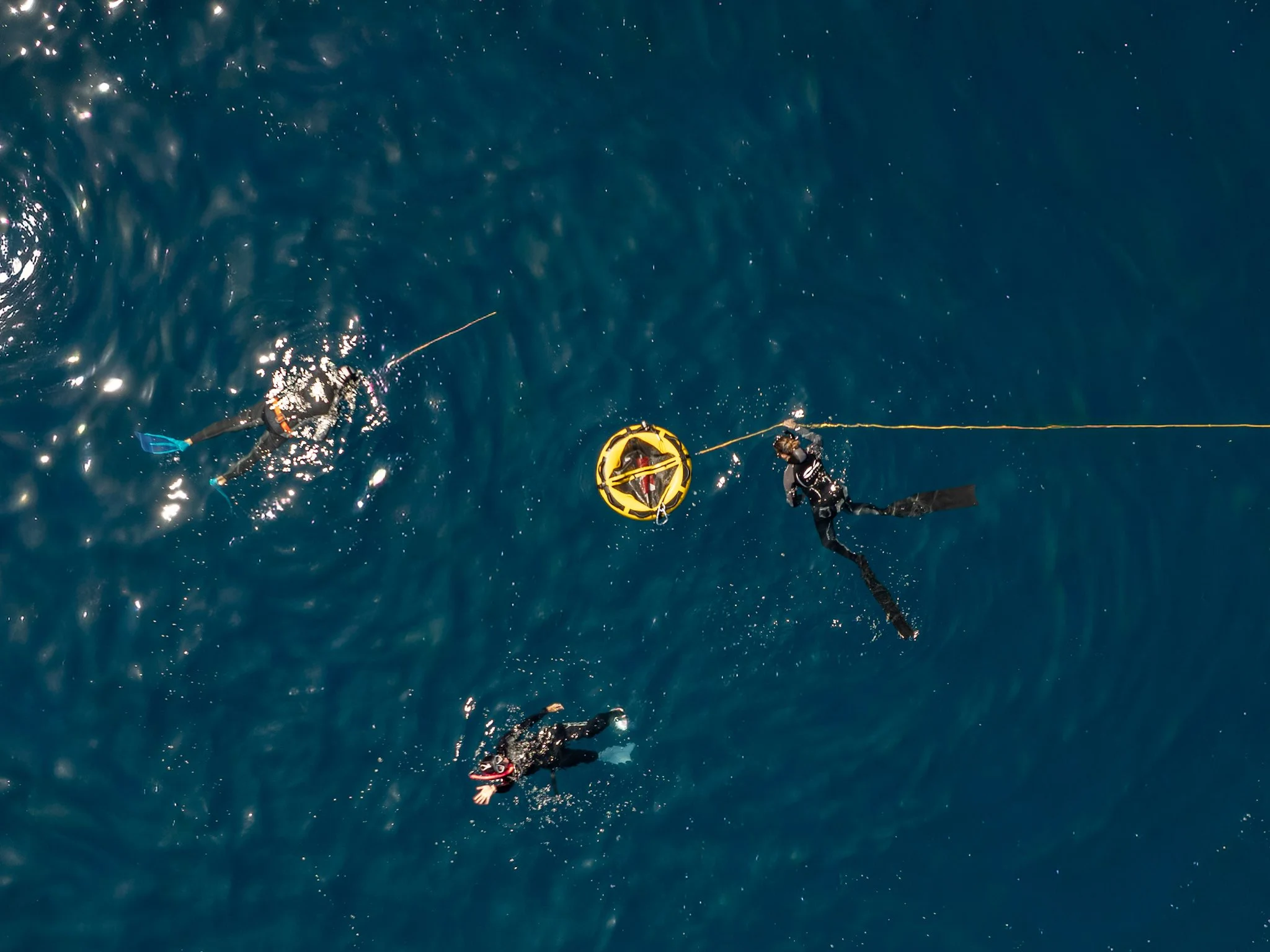
The instructor matters most
People often start by picking an agency, like AIDA, Molchanovs or PADI. They all teach solid, safe systems, and the certification will be recognised wherever you go.
Personally, what matters more to me is the instructor. Two instructors teaching the same course can give you a completely different experience.
So before you book, I always recommend meeting your instructor first, on a video call or in person. Ask about their teaching style, what they recommend for beginner nerves, and how big their groups are. Notice how you feel talking to them. Do they listen? Do they make you feel at ease, or rushed?
You can also check that their licence is active. Most agencies have an instructor search on their website, so look them up by name. If they say they're an instructor and you can't find them, thats a red flag.
What to look for in a freediving instructor
They don't promise results. "You'll reach 20 metres by day three" sounds exciting, but it tells you they're focused on pushing limits, not on diving safely and sustainably. Everyone's body and mind progress differently, and a good instructor works with yours.
Safety is at the centre of everything. Look for a strong focus on buddy systems, rescue skills and safety training, not just depth.
Small groups. Fewer students per instructor means more attention on you and a closer eye on everyone in the water.
A holistic approach. Schools that weave in yoga, relaxation, breathwork and mindset are always a good shout. Freediving is as mental as it is physical, and learning it from a calm, well-balanced place makes you a better and safer diver.
They ask about you. A good instructor wants to know your experience, your motivations, and how you feel about the water before you start.
Choosing a freediving trip or expedition
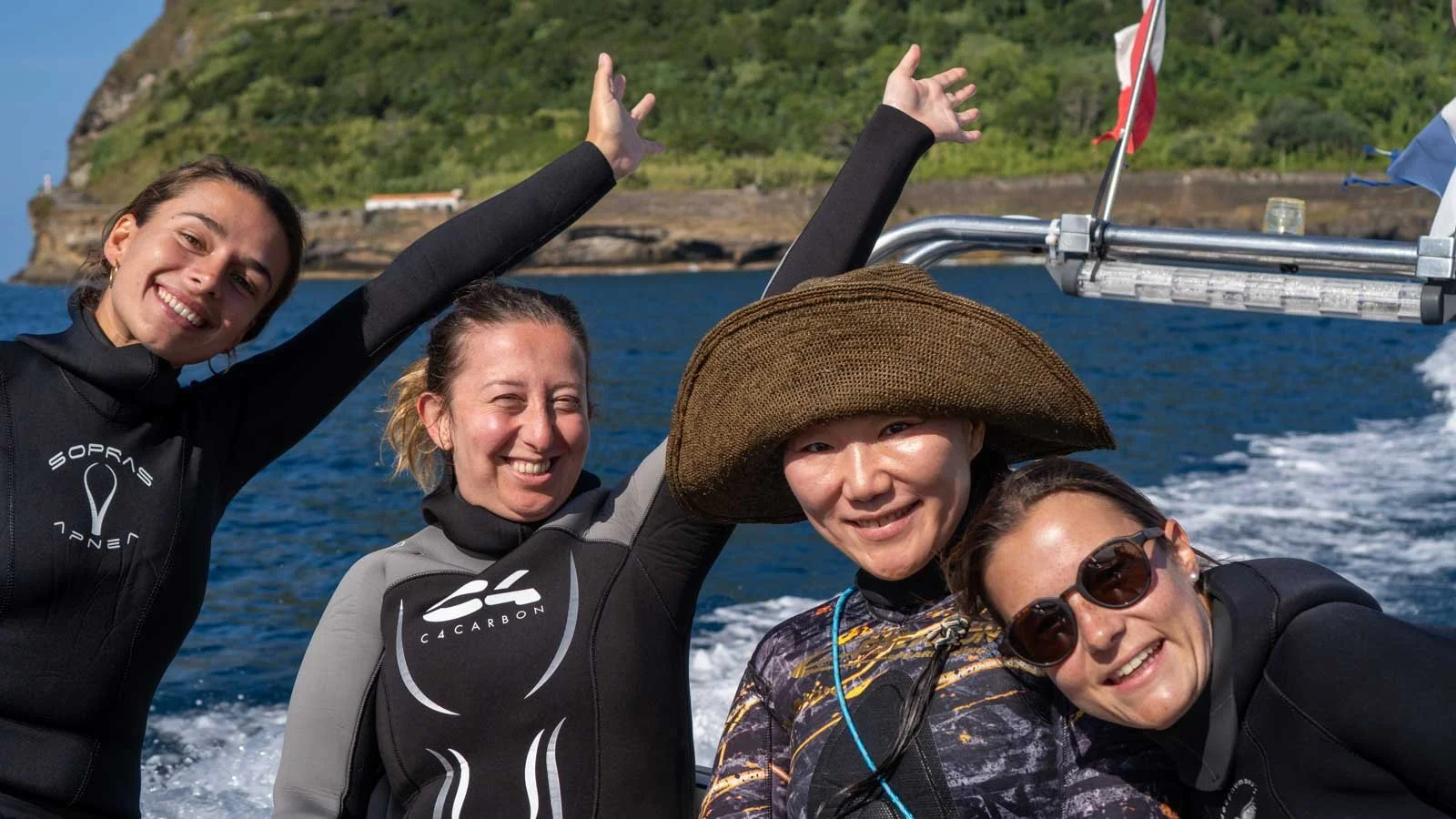
Retreats and expeditions are even harder to judge, because you're trusting someone with far more than a course. You're trusting them with where you sleep, who you're with, and how you spend your days (and money!)
Don't rely solely on the written testimonials on their website. They're easy to fake, and they'll only ever show the good stuff. Real words from real guests count for much more, like video testimonials from people who've actually been on the trips (you can easily find guests that have tagged the expedition page on socials).
Then do your own digging:
Read their Google reviews, including the low ones and how the company replied
Search their name on Reddit, in Facebook groups and on freediving forums
Look for any mention of the company or its leaders outside their own channels
Message a past guest if you can, and ask them honestly how it was, anything that didnt live up to their expectations?
One bad review doesn't always mean its a write off. But if you start to spot a pattern, the same kind of complaint coming up again and again, that provider has a history. Trust it.
Red flags to watch for
Free trips in exchange for content. Collabs can be brilliant, but if you're offered a free experience for photos or videos, make sure you really understand the terms and get them in writing as a proper contract. What are you expected to create? Where will you stay, and with who? If it feels too good to be true, it probably is. No free trip is worth your safety.
Vague details. You should know where you're staying, who's leading, what's included and what a typical day looks like before you pay. If answers are fuzzy or keep changing, that's cause for alarm.
Pressure. Being pushed to book fast, your questions being brushed over, or asked to go along with something that makes you uncomfortable.
Isolation. Be wary of setups that leave you dependent on one person for transport and accommodation, be wary of remote destinations and not having internet access too.
A few practical habits help wherever you go. Share your itinerary and the leader's details with someone at home, ensure you have insurance, and the ability to get out if you need to.
Consider women-led and women-supportive organisations
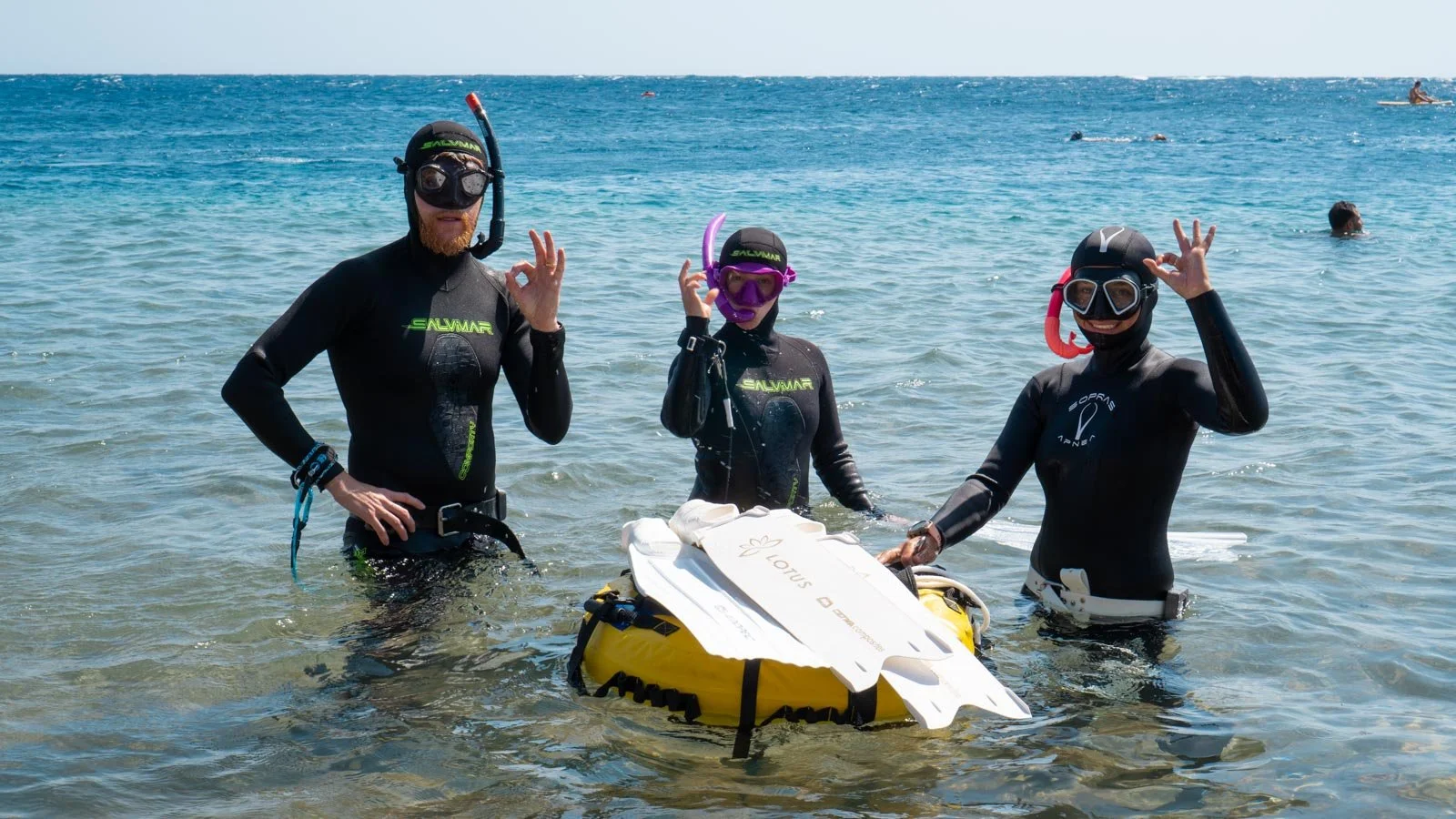
If your safety and wellbeing are your top priority, I recommend looking at female-owned and female-led schools and trips. In my experience, women tend to look out for other women, and often bring a caring, nurturing approach to teaching freediving.
Sadly, there have been too many recent cases of men running trips with bad intentions for me not to say this. Choosing a woman instructor is a completely valid choice, and you never need to justify it.
More broadly, look for organisations that openly support women. That might show up in their values or ethos statement, in resources made for women divers, or in how they talk about safety and inclusion. If a company is willing to say clearly what it stands for, that tells you a lot.
Questions to ask before you book
Who will be leading and teaching, and what are their qualifications?
How many people are in the group, and how many instructors?
How do you prioritise guests safety?
Where will I sleep, and who will I share with?
What's included in the price, and what isn't?
Can I speak to someone who's been on this trip before?
What happens if I feel unwel or want to leave early?
A good provider will be happy to answer all of these. If someone gets defensive or vague, that's your answer.
Trust your gut
All the research in the world helps, but your instinct counts too. If something feels dodgy, pressured or manipulative, before you book or once you're there, you're allowed to step back, say no, or leave. You don't need to prove anything to anyone.
If you've been affected by anything in the recent news, or by your own experience, it's not too late to talk about it and get support. See our most recent social post for resources for if you're affected by any of this during a trip.
We're proud to support women in the freediving world, and to create safe, inclusive spaces for growth and connection. If you'd like to know how we run our courses and trips, reach out. We're always happy to chat, and to answer any questions.